
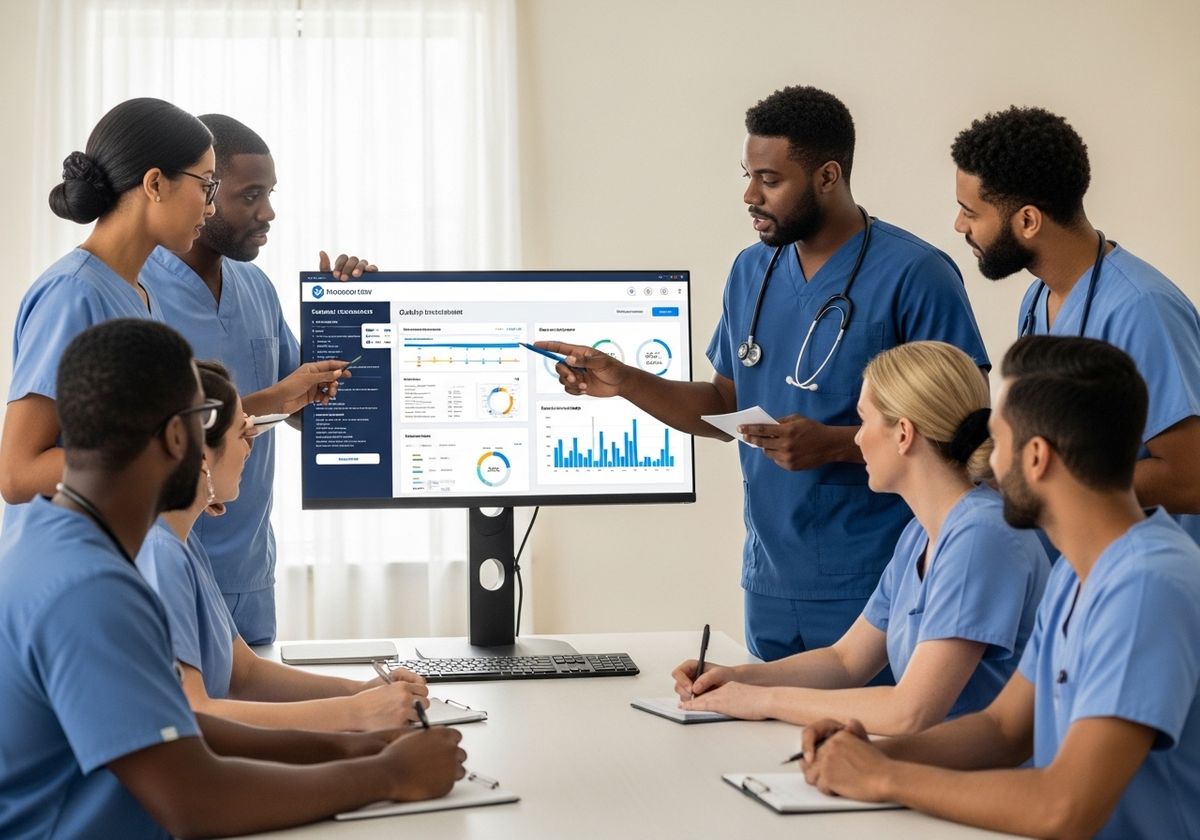
In the complex world of nursing home administration, maintaining continuous survey readiness is not just a best practice; it's a necessity. Meeting and exceeding regulatory standards is crucial for providing quality care and ensuring the well-being of residents. The key lies in adopting a proactive, year-round approach to compliance. In today's blog article from QAPI360, we'll discuss how nursing homes can make continuous survey readiness an integral part of their operations.

Understanding Regulatory Requirements
The first step toward continuous survey readiness is a thorough understanding of the regulations governing nursing home operations. These regulations, often set forth by organizations such as the Centers for Medicare & Medicaid Services (CMS), cover a wide range of areas, including resident rights, quality of care, and facility management. Staying informed about any updates or changes to these regulations is essential for maintaining compliance. This can be achieved by subscribing to industry newsletters, attending relevant conferences, and participating in professional organizations.
Implementing a Robust QAPI Program
A Quality Assurance and Performance Improvement (QAPI) program is a cornerstone of continuous survey readiness. This program should be designed to systematically monitor and evaluate the facility's performance across various domains. Data collection and analysis are critical components of the QAPI process for skilled nursing facilities. By regularly collecting and analyzing data, nursing homes can identify areas where improvements are needed and implement targeted interventions. This proactive approach not only enhances the quality of care but also demonstrates a commitment to continuous improvement during surveys.
Leveraging Technology for Efficient Compliance
Technology plays a vital role in streamlining compliance efforts. Implementing healthcare compliance software can significantly improve efficiency and accuracy in data collection, analysis, and reporting. Electronic Health Record (EHR) or EMR systems can facilitate seamless data exchange and provide real-time insights into resident care. Furthermore, QMS software can help manage documentation, track corrective actions, and ensure that all staff members are aware of their responsibilities. By leveraging technology, nursing homes can minimize the risk of errors and ensure that they are always prepared for surveys.

Healthcare Risk Management Strategies
Proactive healthcare risk management is essential for identifying and mitigating potential compliance issues before they escalate. This involves conducting regular risk assessments to identify areas of vulnerability and implementing strategies to address these risks. Risk management should be integrated into all aspects of nursing home operations, from resident care to facility management. By proactively identifying and addressing potential risks, skilled nursing facilities can create a safer and more compliant environment for residents and staff.
Training and Education for Staff
Continuous survey readiness requires a well-trained and knowledgeable staff. Providing ongoing training and education to all staff members is crucial for ensuring that they understand their roles and responsibilities in maintaining compliance. Training programs should cover a wide range of topics, including regulatory requirements, resident rights, and best practices in care delivery. Regular refresher courses and competency assessments can help reinforce learning and ensure that staff members are up-to-date on the latest standards.
By prioritizing continuous survey readiness, nursing homes can not only maintain compliance but also enhance the quality of care they provide. For organizations seeking to streamline their QAPI processes and maintain continuous survey readiness, QAPI360 offers a comprehensive solution. Discover how QAPI360 can help your organization thrive. Contact us today for a demo and experience the future of healthcare compliance software.