
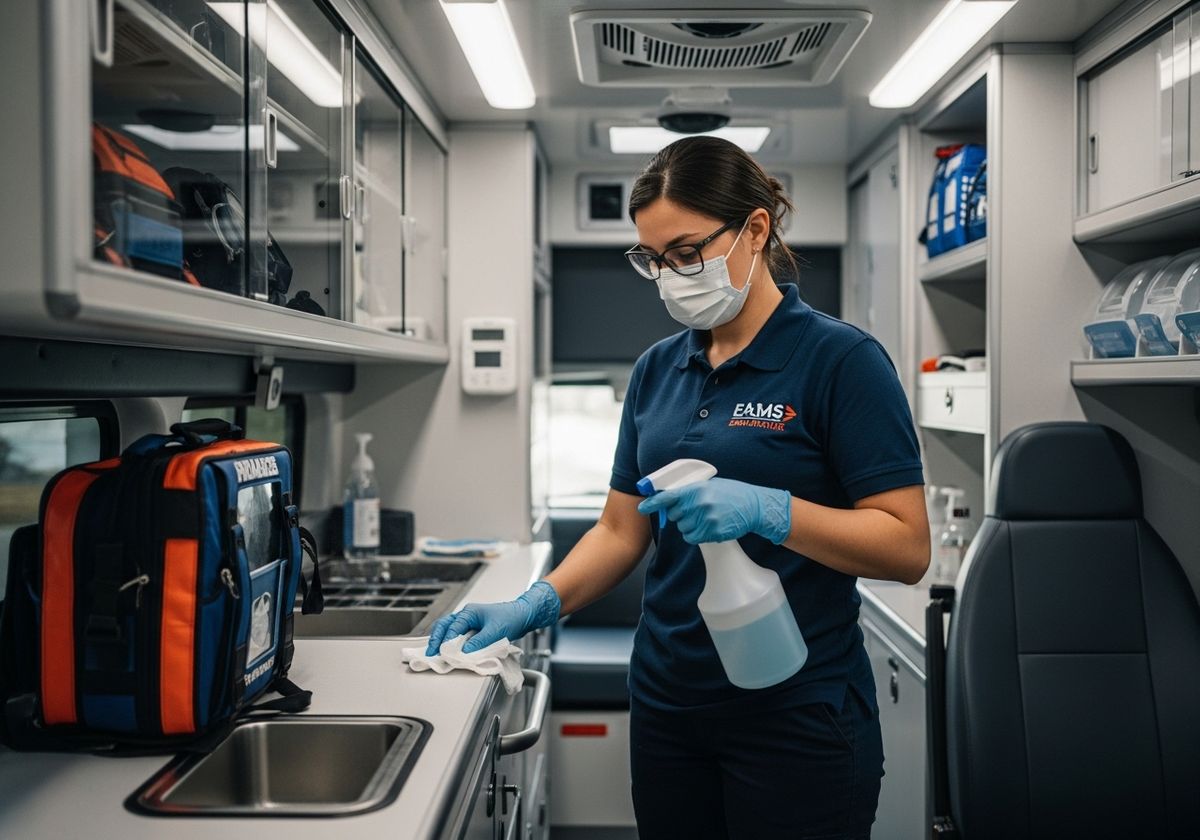
In Emergency Medical Services (EMS), maintaining impeccable hygiene standards within the fleet is not just a matter of best practice—it's a critical component of patient safety and operational efficiency. Effective management of infection control, coupled with robust vehicle surveillance, forms the backbone of a resilient EMS system. This approach not only safeguards the health of patients and EMS personnel but also ensures compliance with stringent healthcare regulations. In today's article from QAPI360, we'll explore the key facets of maintaining high hygiene standards in EMS fleets.
The Importance of Infection Control in EMS
EMS vehicles are, by nature, mobile healthcare environments. They are frequently exposed to a wide array of pathogens, making them potential vectors for infection. Implementing rigorous infection control protocols is essential to minimize the risk of cross-contamination. This includes:
Regular Disinfection: Implementing a strict schedule for disinfecting vehicles and equipment after each patient transport. The use of EPA-approved disinfectants is crucial.
Personal Protective Equipment (PPE): Ensuring that all EMS personnel have access to and consistently use appropriate PPE, such as gloves, masks, and eye protection.
Hand Hygiene: Promoting frequent and thorough handwashing or the use of hand sanitizers, especially before and after patient contact.
Waste Management: Proper disposal of medical waste in accordance with local, state, and federal regulations is essential.
Vehicle Surveillance: Monitoring and Maintaining Hygiene
Beyond infection control, vehicle surveillance plays a vital role in ensuring that hygiene standards are consistently met. This involves:
Cleaning Checklists: Utilizing detailed checklists to ensure that all areas of the vehicle are thoroughly cleaned and disinfected.
Regular Audits: Conducting routine audits to identify areas of improvement and ensure compliance with established protocols.
Technology Integration: Leveraging technology, such as real-time monitoring systems, to track cleaning schedules and supply levels.
Integrating Technology for Enhanced Hygiene Management
The integration of technology, including EMR systems and QMS software, can significantly enhance hygiene management in EMS fleets. Digital platforms can streamline the documentation of cleaning procedures, track the use of disinfectants, and monitor compliance with infection control protocols. These systems also facilitate data analysis, enabling EMS agencies to identify trends, implement targeted interventions, and improve overall hygiene standards.

Compliance and Regulatory Considerations
EMS agencies must adhere to a complex web of regulations and guidelines related to infection control and vehicle hygiene. Staying compliant requires a proactive approach, including:
Understanding Regulations: Keeping abreast of the latest guidelines from organizations such as the CDC, OSHA, and state health departments.
Training and Education: Providing ongoing training and education to EMS personnel on infection control practices and regulatory requirements.
Documentation: Maintaining meticulous records of cleaning, disinfection, and compliance activities. Robust healthcare compliance software can be invaluable in this regard.

The Role of Healthcare Risk Management
Effective healthcare risk management is integral to maintaining high hygiene standards in EMS fleets. By identifying potential risks, implementing preventive measures, and continuously monitoring performance, EMS agencies can minimize the likelihood of infection outbreaks and ensure the safety of patients and personnel.
Maintaining high hygiene standards in EMS fleets requires a multifaceted approach that encompasses rigorous infection control protocols, proactive vehicle surveillance, and the integration of technology. By prioritizing these measures, EMS agencies can create safer environments for patients and personnel, while also ensuring compliance with regulatory requirements. QAPI360 offers a comprehensive solution to streamline the quality improvement journey with a user-friendly platform designed to simplify data collection, charting, and analysis. QAPI360 helps EMS agencies meet CMS Conditions of Participation. Contact us today to learn more about how QAPI360 can transform your approach to quality improvement and compliance.