
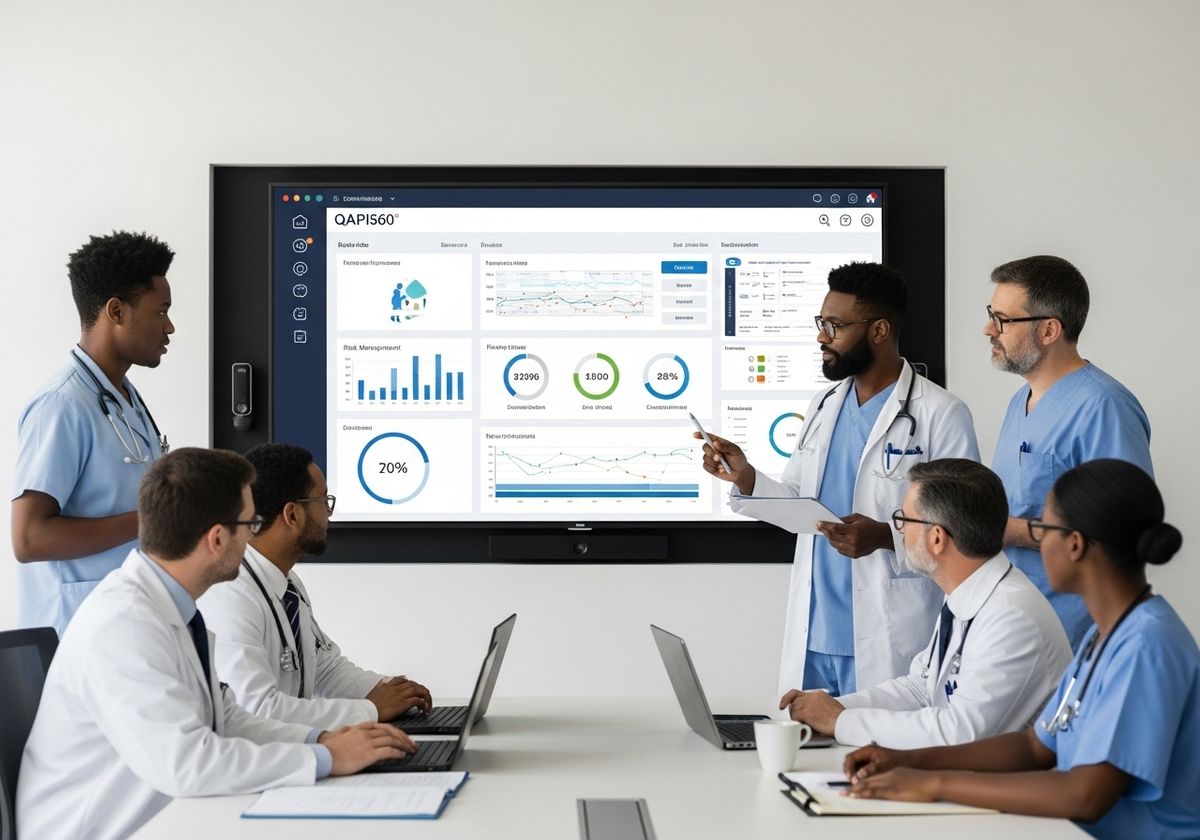
In the ever-evolving landscape of healthcare, ensuring optimal quality and patient safety is paramount. As we look ahead to 2026, healthcare organizations must proactively adopt innovative strategies and leverage technology to enhance their quality assurance and performance improvement (QAPI) initiatives. This guide provides a roadmap for optimizing healthcare quality, with a focus on leveraging cutting-edge solutions for patient safety and regulatory compliance.

Embracing a Proactive Approach to Quality Improvement
Traditional reactive approaches to quality management are no longer sufficient. Today's healthcare environment demands a proactive, data-driven approach that anticipates potential risks and addresses them before they impact patient care. This requires a shift in mindset, with a focus on continuous monitoring, analysis, and improvement.

The Role of Healthcare Risk Management Software
Healthcare risk management software plays a crucial role in identifying, assessing, and mitigating potential risks. By centralizing risk-related data and automating key processes, these systems enable healthcare organizations to gain a comprehensive view of their risk landscape and proactively address emerging threats. Implementing robust healthcare risk management software is essential for maintaining a safe and high-quality care environment.

Leveraging QMS Quality Management System
A QMS quality management system provides a framework for establishing and maintaining consistent quality standards across the organization. By standardizing processes, documenting procedures, and tracking performance metrics, a QMS helps healthcare organizations ensure that they are consistently delivering high-quality care. A well-implemented QMS also facilitates compliance with regulatory requirements and accreditation standards.

Integrating Solutions for Patient Safety
Patient safety is at the heart of quality healthcare. Healthcare organizations must implement solutions that minimize the risk of medical errors, prevent infections, and promote a culture of safety. This includes adopting technologies such as electronic health records (EHRs), computerized physician order entry (CPOE) systems, and medication reconciliation software. Integrating these solutions with healthcare compliance software can further enhance patient safety and reduce the risk of adverse events.
Navigating Healthcare Compliance with Ease
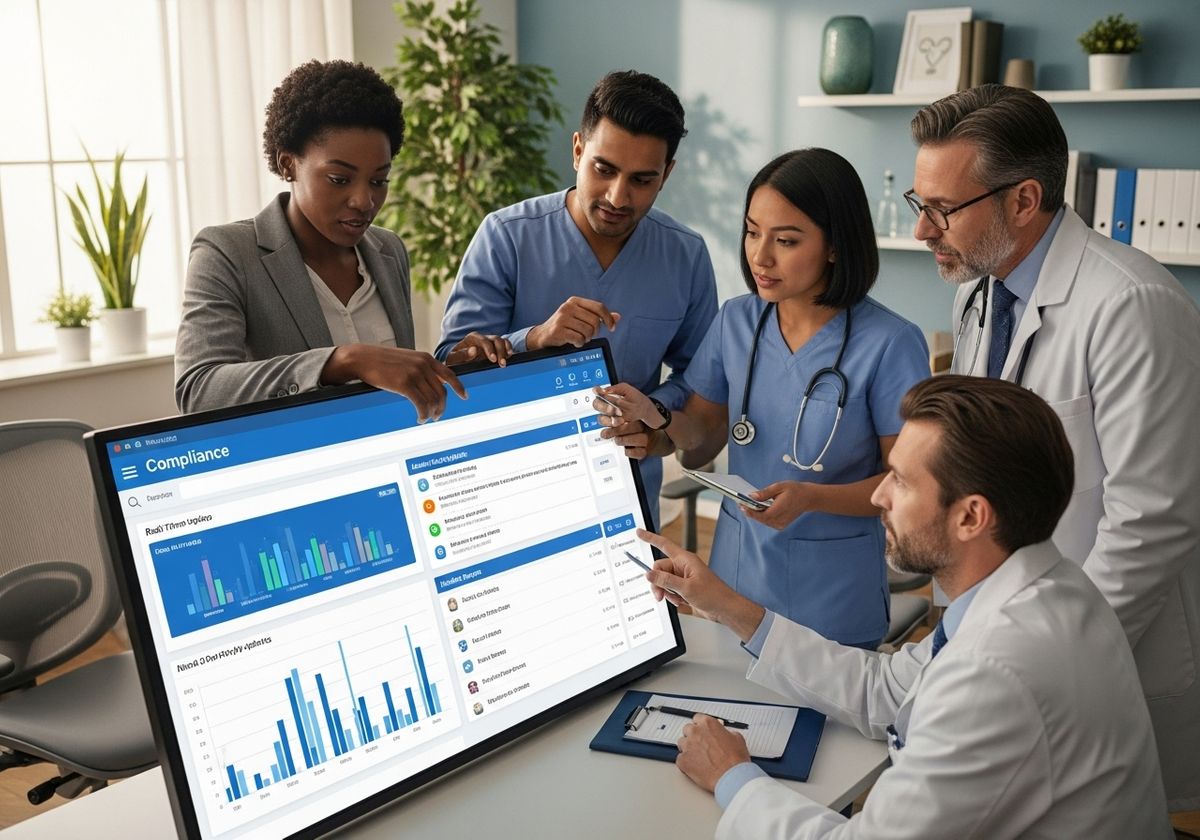
Staying compliant with ever-changing regulations is a significant challenge for healthcare organizations. Healthcare compliance software helps streamline compliance efforts by automating tasks such as policy management, audit tracking, and incident reporting. By leveraging these systems, healthcare organizations can ensure that they are always in compliance with the latest regulations and avoid costly penalties.

The Importance of EMR Systems
Top EMR systems are essential for modern healthcare. These systems not only streamline clinical workflows and improve communication among healthcare providers but also provide valuable data for quality improvement initiatives. By analyzing EMR data, healthcare organizations can identify trends, track outcomes, and implement targeted interventions to improve patient care.
Optimizing healthcare quality in 2026 requires a proactive, data-driven approach that leverages technology and promotes a culture of safety. By implementing healthcare risk management software, QMS quality management system, and solutions for patient safety, healthcare organizations can enhance their quality assurance and performance improvement efforts, ensure regulatory compliance, and ultimately deliver better patient care. At QAPI360, we provide cutting-edge solutions to help healthcare organizations like yours achieve these goals. Contact us today to learn more about how our software can help you optimize your QAPI initiatives and improve patient outcomes. Explore our resources and discover how QAPI360 is transforming healthcare quality.