

In the dynamic landscape of home healthcare, the ability to minimize Acute Care Transfers (ACTs) stands as a critical benchmark of quality and efficiency. Acute care transfers from home healthcare settings to hospitals not only disrupt patient care but also escalate costs and potentially lead to adverse outcomes. By implementing robust strategies for analyzing ACTs, home health agencies can pinpoint the root causes, refine their care protocols, and ultimately enhance patient well-being. Continue reading to discover how the QMS software for home health agencies from QAPI360 can help reduce ACTs.

Understanding the Significance of ACT Analysis
Analyzing ACTs goes beyond mere data collection; it involves a comprehensive review of patient cases to identify patterns, risk factors, and areas for improvement. This proactive approach enables agencies to:
Enhance Patient Safety: By understanding why transfers occur, agencies can implement targeted interventions to prevent future incidents.
Improve Care Quality: ACT analysis highlights gaps in care delivery, leading to more effective and patient-centered care plans.
Reduce Healthcare Costs: Minimizing hospital readmissions translates to significant cost savings for both patients and healthcare systems.
Ensure Regulatory Compliance: With increasing emphasis on value-based care, demonstrating a commitment to reducing ACTs is essential for meeting regulatory requirements and maintaining accreditation.
Strategies for Analyzing Acute Care Transfers
To effectively analyze ACTs, home health agencies should consider the following strategies:
1. Data Collection and Integration
Central to effective ACT analysis is the collection of comprehensive and accurate data. This includes patient demographics, medical history, diagnoses, medications, care plans, and details surrounding the transfer event. Integrating this data from various sources, such as EMR systems, patient records, and incident reports, is crucial for a holistic view. Utilizing healthcare compliance software can help streamline this process and ensure data integrity.
2. Risk Factor Identification
Identifying risk factors associated with ACTs is essential for targeted prevention efforts. Common risk factors may include:
Chronic Conditions: Patients with chronic illnesses such as heart failure, COPD, and diabetes are often at higher risk.
Medication Management Issues: Polypharmacy, medication non-adherence, and adverse drug reactions can contribute to acute events.
Functional Decline: Decreased mobility, cognitive impairment, and inability to perform activities of daily living increase vulnerability.
Lack of Social Support: Insufficient caregiver support and social isolation can lead to inadequate monitoring and delayed intervention.
3. Root Cause Analysis
Root cause analysis (RCA) is a structured approach to identifying the underlying factors that contribute to ACTs. This involves a multidisciplinary team reviewing each transfer event to determine what happened, why it happened, and what can be done to prevent recurrence. RCA may uncover issues such as:
Communication Breakdowns: Ineffective communication between caregivers, patients, and physicians.
Inadequate Care Planning: Care plans that do not adequately address patient needs or anticipate potential complications.
Staff Training Deficiencies: Lack of training in recognizing and responding to acute changes in patient condition.
Equipment or Supply Shortages: Insufficient access to necessary equipment or supplies for effective care delivery.
4. Implementation of Targeted Interventions
Based on the findings of ACT analysis, home health agencies should implement targeted interventions to address identified risk factors and root causes. These may include:
Enhanced Care Coordination: Improved communication and collaboration between all members of the care team.
Medication Reconciliation: Thorough review and reconciliation of patient medications to prevent errors and adverse reactions.
Patient Education: Comprehensive education for patients and caregivers on disease management, medication adherence, and early warning signs of acute illness.
Remote Monitoring: Use of telehealth technologies to monitor patients' vital signs and detect early changes in condition.
5. Continuous Monitoring and Evaluation
ACT analysis should be an ongoing process, with regular monitoring and evaluation of implemented interventions. This includes tracking ACT rates, analyzing trends, and assessing the effectiveness of prevention strategies. Using QMS software can aid in this continuous monitoring and provide valuable insights for ongoing improvement.
Leveraging Technology for ACT Analysis
Technology plays a vital role in facilitating ACT analysis and prevention. Home health agencies can leverage various tools and systems, including:
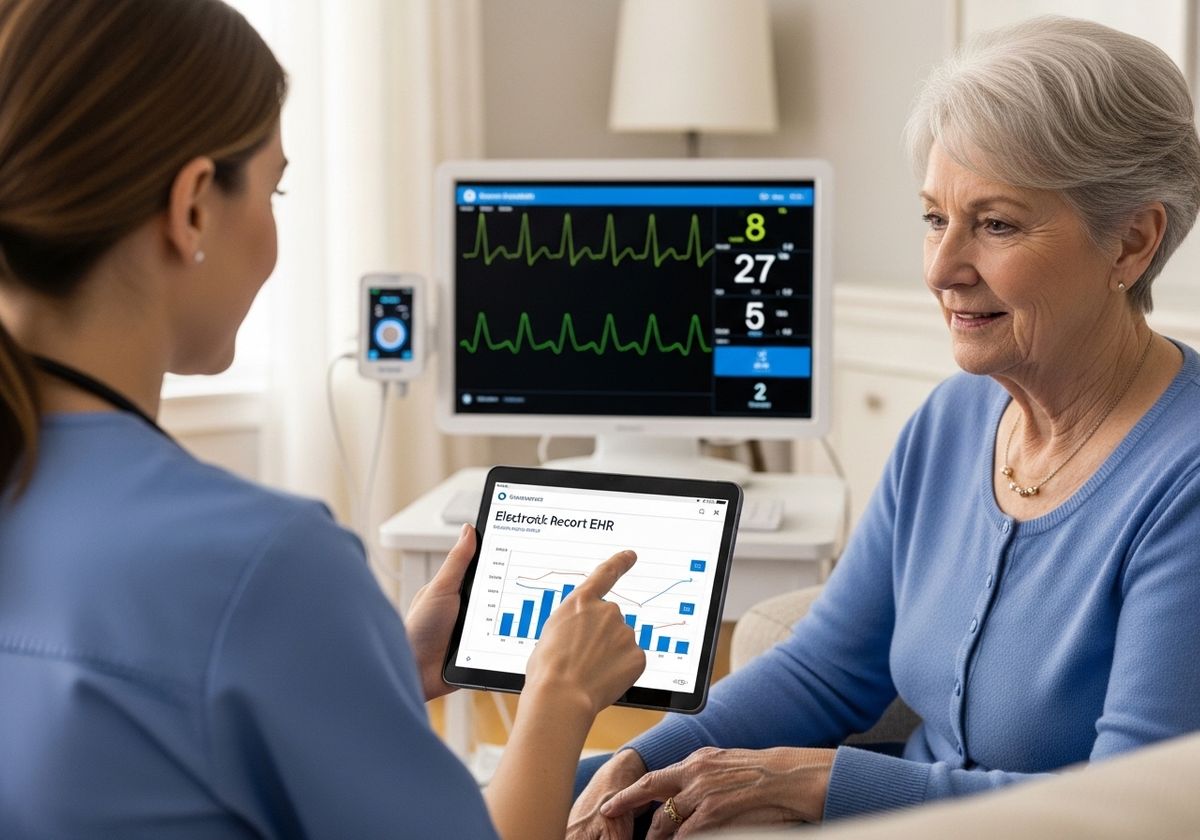
Electronic Health Records (EHRs): EMR systems for home health agencies provide a centralized repository for patient data, enabling efficient data collection and analysis.
Data Analytics Platforms: These platforms can help identify patterns and trends in ACT data, allowing for more targeted interventions.
Telehealth Solutions: Remote monitoring technologies enable real-time monitoring of patient vital signs and early detection of acute changes.
Healthcare Risk Management Software: These solutions provide tools for identifying, assessing, and mitigating risks associated with ACTs.
Reducing acute care transfers is a multifaceted challenge that requires a proactive and data-driven approach. By implementing robust strategies for analyzing ACTs, home health agencies can identify the underlying causes, implement targeted interventions, and ultimately improve patient outcomes. Embracing technology, such as healthcare risk management tools, EMR systems, and QMS software, can further enhance these efforts. QAPI360 offers a comprehensive solution designed to streamline this journey. Our platform simplifies data collection, charting, and analysis, ensuring compliance while enabling meaningful change. Discover how QAPI360 can help your agency reduce hospitalizations and enhance care quality by contacting us for a demo.