
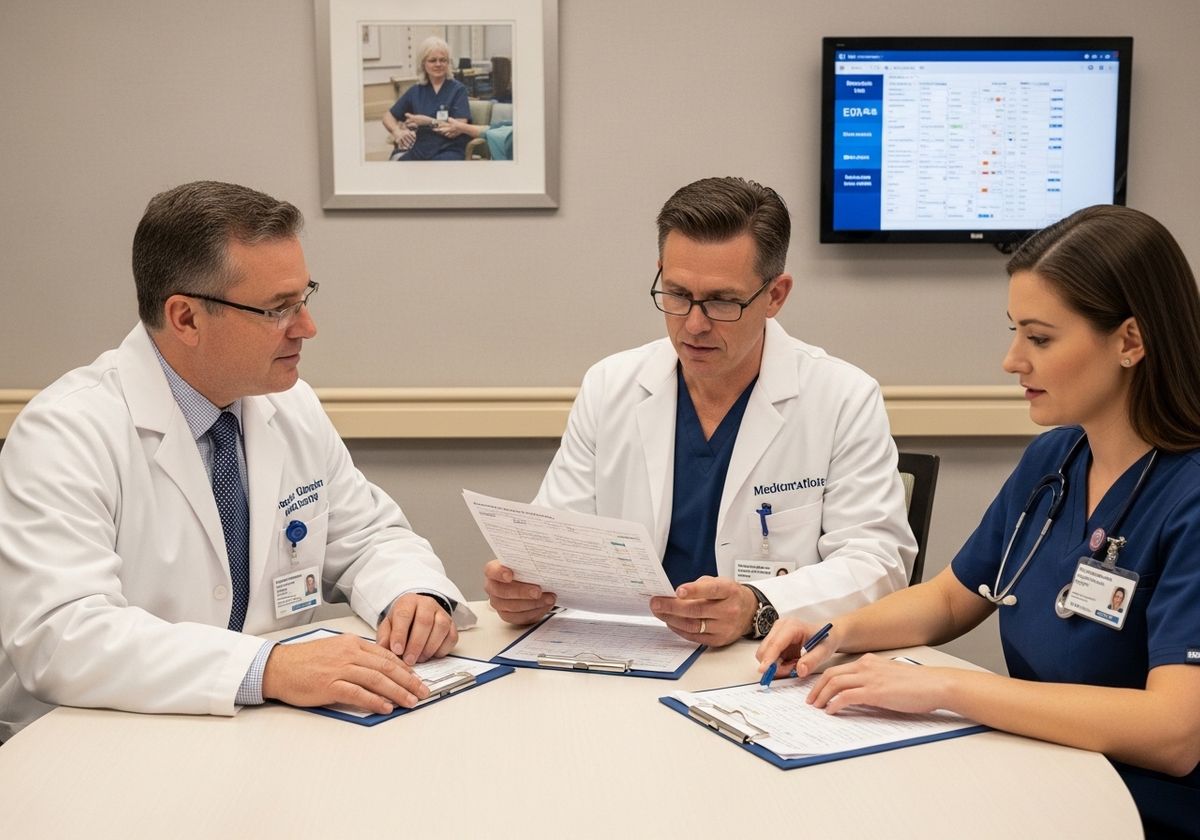
At QAPI360, we understand that in the intricate landscape of Skilled Nursing Facilities (SNFs), medication management stands as a critical component of resident care. Ensuring appropriate medication use, minimizing adverse effects, and promoting overall well-being are paramount. One specific area of focus within medication management is the monitoring of Gradual Dose Reductions (GDRs) for residents. GDRs are a systematic process of tapering down the dosage of certain medications to identify the lowest effective dose or discontinue the medication altogether. This approach is particularly relevant for medications that may have significant side effects or limited long-term benefits.

Understanding Gradual Dose Reductions (GDRs)
A GDR is not simply stopping a medication abruptly. It's a carefully planned and monitored process that involves collaboration between the physician, pharmacist, nursing staff, and the resident (or their representative). The goal is to reduce the dose gradually, allowing the resident's body to adjust and minimizing the risk of withdrawal symptoms or a return of the original condition.
Why Are GDRs Important?
Reduced Risk of Adverse Effects: Many medications, especially those used long-term, can have significant side effects. Reducing the dose can minimize these effects and improve the resident's quality of life.
Improved Cognitive Function: Certain medications, such as sedatives and anticholinergics, can impair cognitive function. GDRs may help improve alertness and mental clarity.
Enhanced Physical Function: Some medications can contribute to falls, weakness, or other physical limitations. Reducing the dose may improve mobility and reduce the risk of falls.
Reduced Medication Burden: Polypharmacy (the use of multiple medications) is common in SNF residents. GDRs can help reduce the number of medications a resident is taking, simplifying their medication regimen and reducing the risk of drug interactions.
Regulatory Compliance: Centers for Medicare & Medicaid Services (CMS) has specific regulations regarding the use of certain medications in SNFs, particularly antipsychotics. GDRs are often required to ensure compliance with these regulations.

Monitoring GDRs: A Step-by-Step Approach
Effective monitoring is crucial for successful GDR implementation. Here's a step-by-step approach:
Identify Target Medications: Work with the physician and pharmacist to identify medications that are appropriate for a GDR. This may include antipsychotics, sedatives, hypnotics, and anticholinergics.
Establish a Baseline: Before initiating the GDR, assess the resident's condition and document any relevant symptoms or behaviors. This will serve as a baseline for comparison during the GDR process.
Develop a Tapering Schedule: The physician, in consultation with the pharmacist, should develop a specific tapering schedule. This schedule should outline the dose reductions, the frequency of reductions, and the duration of each dose level.
Monitor for Withdrawal Symptoms: As the dose is reduced, carefully monitor the resident for any signs of withdrawal symptoms, such as anxiety, agitation, insomnia, or changes in mood. Document these symptoms and report them to the physician.
Assess for Recurrence of Symptoms: Also monitor for any recurrence of the original symptoms that the medication was intended to treat. If symptoms reappear, the physician may need to adjust the tapering schedule or consider reinstating the medication.
Document Everything: Thorough documentation is essential. Record all dose reductions, monitoring observations, and any changes in the resident's condition.
Communicate Effectively: Maintain open communication between all members of the care team, including the physician, pharmacist, nursing staff, and the resident (or their representative).
The Role of Technology in GDR Monitoring
Technology can play a significant role in streamlining and enhancing GDR monitoring. Electronic health records (EHRs) can facilitate documentation, track dose reductions, and generate alerts for potential withdrawal symptoms or adverse effects. Data analytics tools can help identify residents who may be candidates for GDRs and track the success rates of GDR programs.
Monitoring Gradual Dose Reductions is essential for optimizing medication management in skilled nursing facilities, leading to improved resident outcomes and regulatory compliance. At QAPI360, we understand the complexities of medication management and regulatory compliance in the medical industry. Our comprehensive software solution streamlines data collection, charting, and analysis, simplifying the quality improvement journey for skilled nursing facilities.
Interested in learning more about how QAPI360 can help your facility with medication management and GDR monitoring? Contact us to schedule a demo.